

Crowne Automotive helps Central PA drivers prepare for Memorial Day travel with expert European vehicle service, diagnostics, and seasonal maintenance.

March in Central PA can be unpredictable. One day feels like winter, the next hints at spring. Between potholes, road salt, heavy rain, and fluctuating temperatures, your vehicle has likely taken a beating over the past few months. As the season changes, now is the perfect time to make sure your car is ready for warmer weather and safer driving conditions. At Crowne Automotive , we help drivers transition into spring with reliable service, precise repairs, and transparent recommendations. If you have been searching for a trusted auto repair center in Central PA , our team is here to help you move into the new season with confidence. Winter Wear and Tear Is Real Cold temperatures, icy roads, and salt buildup can impact everything from your suspension to your braking system. Spring is the ideal time to check for: Worn brake components Suspension damage from potholes Tire tread wear and alignment issues Battery performance after extreme cold Fluid levels and condition Addressing these concerns early can prevent larger, more expensive repairs down the road. A professional inspection from Crowne Automotive ensures your European vehicle is safe, reliable, and ready for daily driving or spring road trips. Do Not Leave Your PA State Inspection to Luck With spring comes inspection season for many drivers. Instead of waiting until the last minute, schedule your appointment with a team that understands your vehicle inside and out. If you are looking for a PA vehicle inspection near you, Crowne Automotive provides thorough, efficient inspections that meet state requirements while also identifying potential concerns before they become problems. We also offer comprehensive car repair and inspection near you, making it easy to handle everything in one visit. No bouncing between nearby auto shops. No confusion. Just clear communication and professional service. European Expertise Closer to Home Spring is also a smart time to establish a long-term relationship with a repair shop you can trust. Crowne Automotive specializes in European brands including BMW , Audi , Volkswagen, Mercedes-Benz , MINI, Jaguar , and Land Rover . Our ASE-certified , ASE Master-Certified , and factory-trained technicians provide dealership-level expertise without the dealership inconvenience. As a family-owned and independent shop serving Central PA, we are committed to speed of service and determining whether your vehicle is safe to drive the moment you bring it in. Start the Season with Confidence While March is often associated with luck, when it comes to your vehicle, preparation matters more than chance. A proactive approach to maintenance and inspections ensures you are ready for whatever Pennsylvania roads bring this spring. If you have been searching for a dependable auto repair center or need a PA vehicle inspection near you, Crowne Automotive is here to help. Schedule your spring service today and drive into the new season prepared, protected, and confident.

This February, while everyone’s focused on gifts and getaways, don’t forget about the one thing that gets you everywhere you need to be, your vehicle. Whether it’s powering through cold mornings or navigating wintry roads, your car deserves attention this time of year. We’re here to help Central PA drivers stay safe and confident behind the wheel. From preventative maintenance to precision repairs, we take care of your European vehicle with the same care and commitment we’d give our own. A Winter Checkup Shows You Care February brings more than flowers and heart-shaped cards, but it also brings freezing temperatures that can be tough on your vehicle. Batteries, belts, and fluids all take a hit during winter, and skipping seasonal maintenance can lead to bigger problems later on. If you’re looking for auto repair near you that values speed, clarity, and quality, our ASE Certified, ASE Master Certified, and factory-trained technicians are ready to help. Crowne Automotive makes it easy with after-hours drop-off, loaner cars, and a transparent service process that keeps you informed every step of the way. Brake Issues Are Not Worth Ignoring If your car’s been making noises or taking longer to stop, it might be trying to send you a signal. Now is the perfect time to have your brakes checked, especially with icy roads still in the forecast. We provide expert brake repair near you , specializing in European vehicles like BMW , Audi , Volvo , Mercedes-Benz , Jaguar , and Land Rover . We back our repairs with a 3-year or 36,000-mile warranty, so you can drive with confidence no matter where the month takes you. Build a Long-Term Relationship With Your Repair Shop A great car care relationship is built on trust and consistency, and that starts by working with the same team over time. When your service history stays in one place, your vehicle gets more personalized, accurate care. Crowne Automotive delivers dealership-level expertise with the reliability of a family-owned shop right here in Central PA. If you’re searching for nearby auto shops that treat your car with the attention it deserves, we’re proud to be your go-to team. Road-Ready for Whatever February Brings Whether you’re planning a road trip or just trying to get through the rest of winter, make sure your vehicle is ready for the drive. Crowne Automotive offers dependable auto repair near you with a focus on fast service, transparent communication, and European vehicle expertise. Schedule your visit today , because peace of mind is always a smart investment, no matter the season

Crowne Automotive is here to help you keep your European vehicle reliable and road-ready in 2026. Start the year strong with expert maintenance and trusted local service in Central PA.

A camshaft tensioner leak in your Audi is not only an annoying inconvenience, it is a serious issue that can cause even more severe damage if you let it go
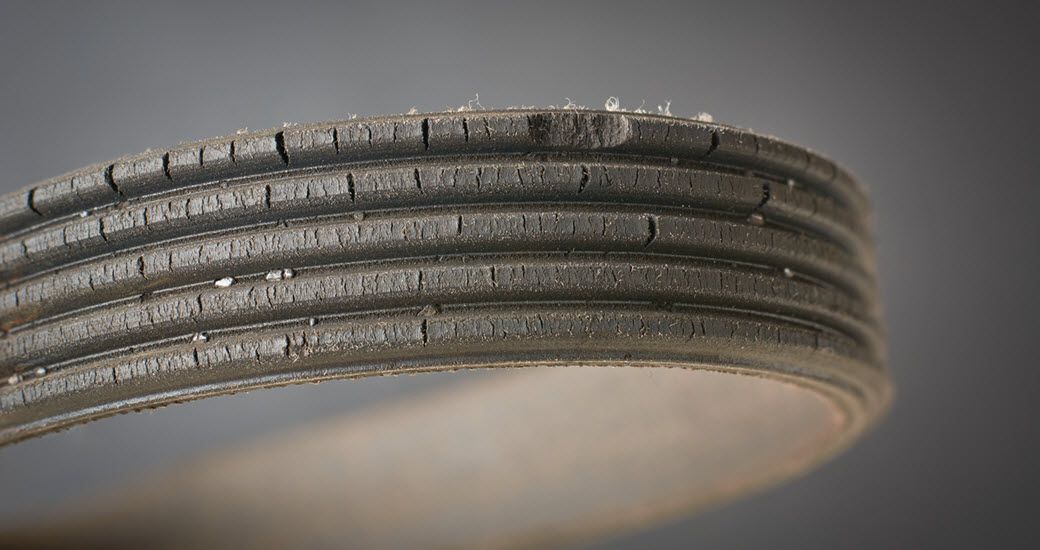
Every Land Rover is designed for adventure, but like any other vehicle, it has some vital parts that it cannot do without. One of these important components is the serpentine belt. The serpentine belt is a single belt that runs through the different pulleys and accessories in your Land Rover’s engine. The belt’s role is […]
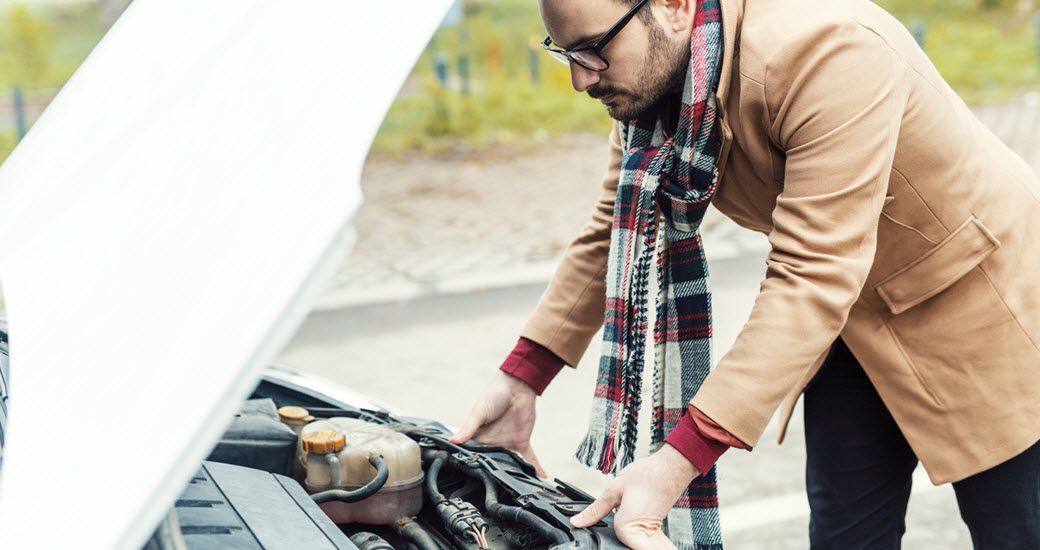
Are you suspecting a problem with the tensioner of your Jaguars timing chain? The timing chain in your Jaguar is an assembly that links the crankshaft with the camshaft to make both components operate in synchrony. This synchronization is critical for accurate engine timing and enabling your car to perform as Jaguars are famed for. […]
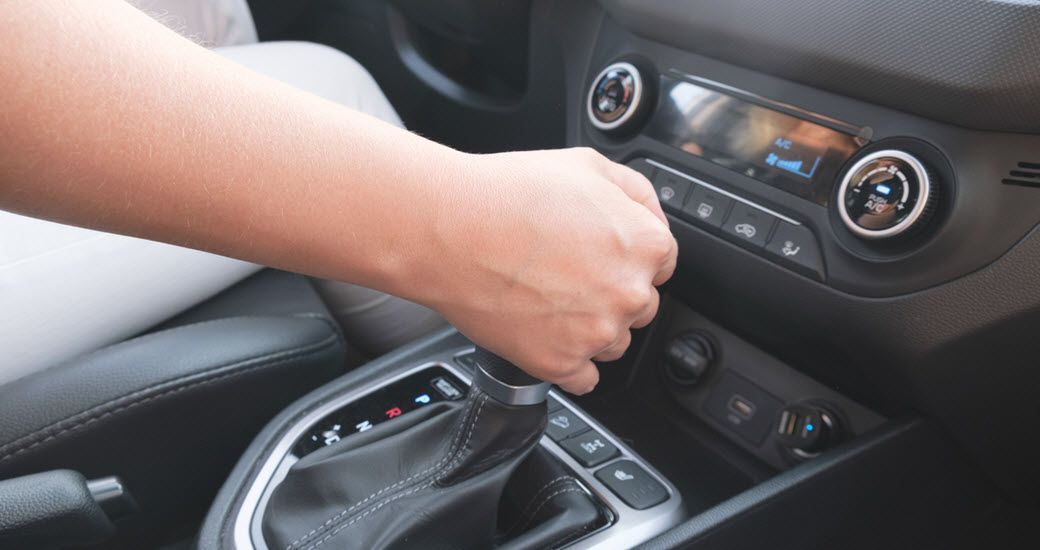
Though Jaguars are the epitome of high-end performance, they can also experience component failure. One of these issues is automatic transmission jerking. If your Jaguar’s automatic transmission is jerking or hesitating, it can signal a developing problem that requires immediate attention.
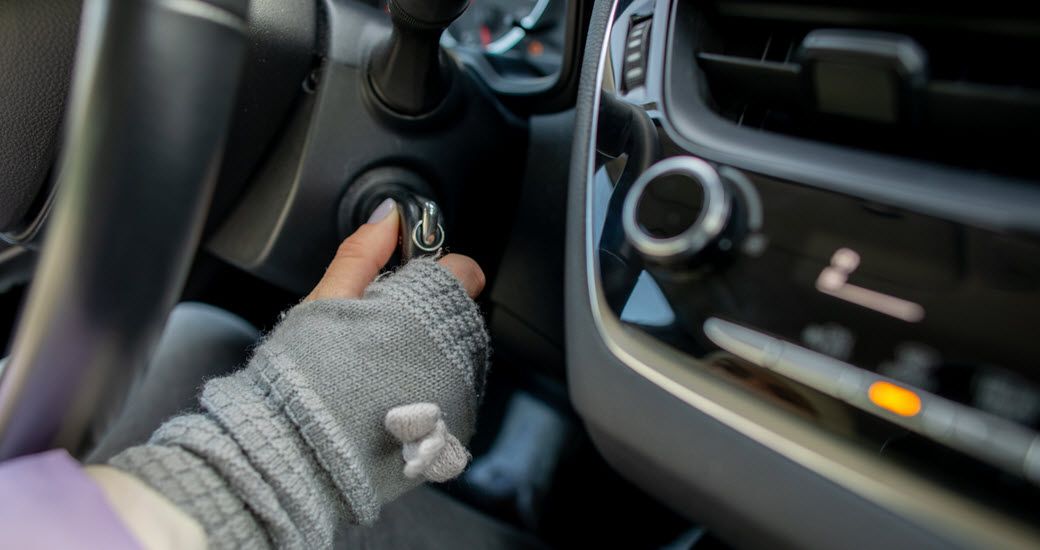
The ignition module in your BMW might encounter issues and needs to be replaced quickly. Here are the details to help replace the ignition module in BMW.

Do you get a sensation that your Mercedes steering is wandering or shaking? When driving a Mercedes-Benz, you should feel in command and have the ability to control the car with ease. But if you find that the steering is loose or slow to respond, it will become uncomfortable and even potentially unsafe to drive […]